Traditionally, electrical contact materials are tested using a sampling method. In most cases, only the head and tail sections of the entire wire or strip are examined. However, this approach tends to overlook possible defects in the middle section.
To better assess material performance, Fudar Alloy Materials has introduced a new testing approach. This method, based on Continuous Resistance Detection, enables full inspection and evaluation of the reliability of electrical contact materials.
How Continuous Resistance Detection Works
Continuous Resistance Detection is based on the core concept that the physical properties of a material in electrical contact (e.g., density and compositional homogeneity) directly impact its resistance. Specifically, materials with high density and uniform composition exhibit lower and more consistent resistance. In contrast, the presence of voids, defects, or uneven density causes the resistance to rise accordingly.
Continuous Resistance Detection can track changes in resistance along a wire or strip in real time. This method can accurately check the uniformity and strength of a material. This method allows for non-destructive testing, avoiding the damage caused by traditional sampling techniques. It is especially well-suited for high-value electrical contact materials, such as
silver alloys, where material preservation is crucial during production.
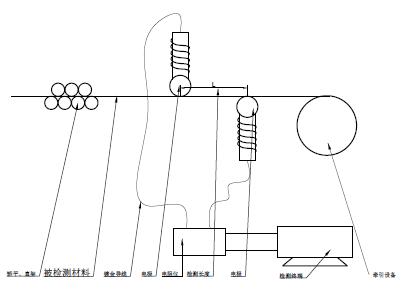
Continuous Resistance Detection Diagram
Main Test Steps:
1. Material straightening and electrode arrangement: First, the material (strip or wire) undergoes a leveling process to ensure its straightness. Next, it passes through a special roller electrode, where the material’s resistance is measured in real time using the electrode.
2. Resistance detection: The electrodes are linked to a data analysis terminal through a high-precision resistance meter. They continuously record the resistance values of the material at each position.
The analysis system visually displays the resistance changes through data plotting. It also performs analyses, such as calculating variance and average values. The system automatically issues an alarm when the resistance value exceeds the set threshold.
3. Temperature control: To avoid friction-induced temperature rise affecting measurement accuracy, the roller electrode is kept at a constant temperature. This is achieved by using cooling water, ensuring accurate resistance detection.
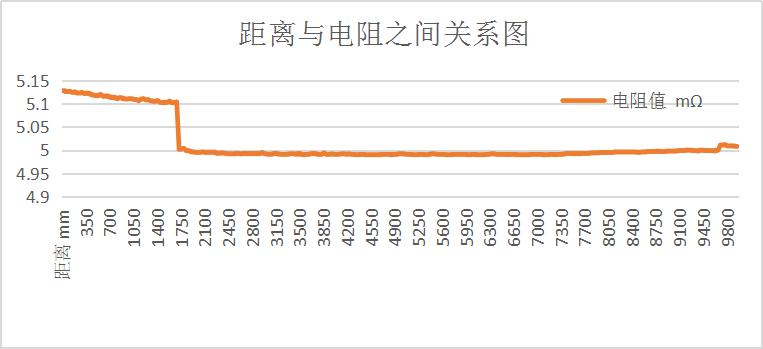
4. Data analysis: Any abnormal resistance fluctuations during the measurement may indicate a problem with the material's density, composition, or structure. For example, changes in the center of the material may relate to internal structure problems. Differences in resistance between the head and tail may come from density changes or gaps in the extrusion process.
Technical Advantages: From Sampling to Full Inspection Innovation
1. Improved inspection accuracy: While traditional sampling methods tend to miss hidden defects in the material, continuous resistance measurement can inspect the entire wire in real-time, avoiding sampling limitations.
2. Non-destructive testing: Traditional methods require cutting samples, whereas continuous resistance detection offers non-destructive testing. This preserves material integrity, making it ideal for costly materials like silver alloys.
3. Wide range of applications: The method applies to common electrical contact materials such as AgSnO2 and can also be extended to other types of electrical contact alloys to provide a more efficient means of assessing the quality of the materials in the production process.
Experimental Results and Validation
Our research team used this testing method on AgSnO2 electrical contact materials. We found uneven density between the head and tail of the material. This unevenness causes large changes in resistance.
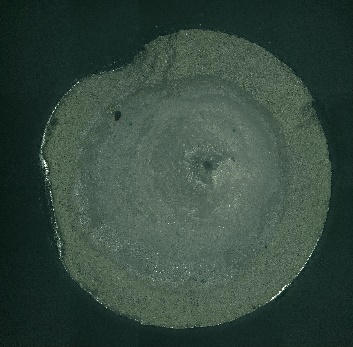
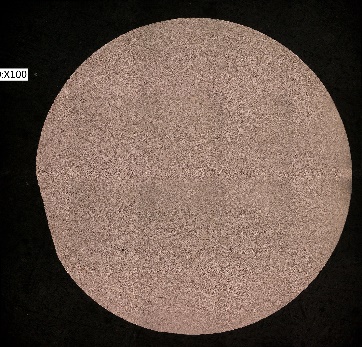
Further examination of the metallographic organization of the material confirmed the accuracy of the problems revealed by the continuous resistance detection method. This result shows that the method can effectively identify potential defects in the production process. It provides valuable data to support process optimization and product quality improvement.
Distance Versus Resistance Graph
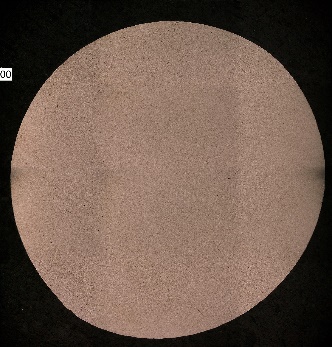
Metallographic of Extruded Materials at the End of the Shrinkage Fracture
Metallographic of the Head of the Extruded Material
Metallographic of the Central Part of the Extruded Material
Conclusion
The successful application of the continuous resistance detection method marks a major advancement in electrical contact material testing technology. It improves the accuracy and completeness of material property assessment. It also allows for non-destructive testing of the material during the entire process. This method is likely to be used more in future material production. It will help improve the stability and lifespan of electrical equipment. Don't hesitate to get in touch for more info about the Fudar solutions or to schedule a consultation with our experts.