Posted on 12/10/2024 by Fudar Offical | Views: 1577
In modern industry, silver-based contact materials are widely used for low-voltage contactors. These materials are usually manufactured by an extrusion process, and research and optimisation has been focused on how to improve material utilisation.
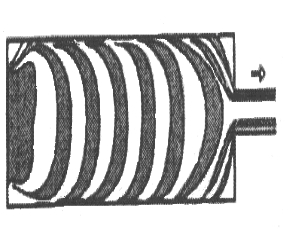
The traditional forward extrusion process creates about 10% material waste. This is especially true for precious metals like silver. This waste can significantly raise production costs. Therefore, it is particularly important to find a process that can improve material utilisation.
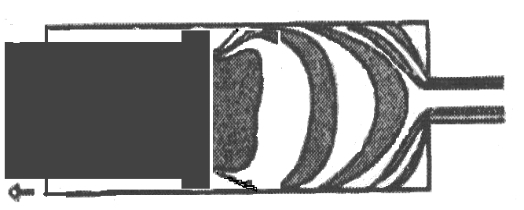
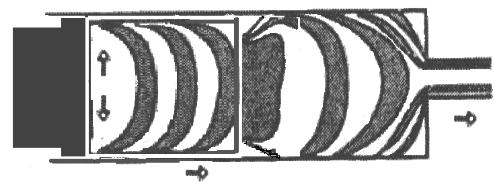
The semi-continuous extrusion process is an emerging technology that reduces material waste by repeatedly loading ingots during the extrusion process. In traditional single-ingot, single-pass extrusion, each process produces head and tail waste along with extrusion overs. These factors lead to low overall material utilization.
With semi-continuous extrusion, ingots are repeatedly loaded during the stable phase of the extrusion process. This approach avoids material wastage that typically occurs in the later stages of extrusion, thereby significantly improving the utilization of precious metal materials.
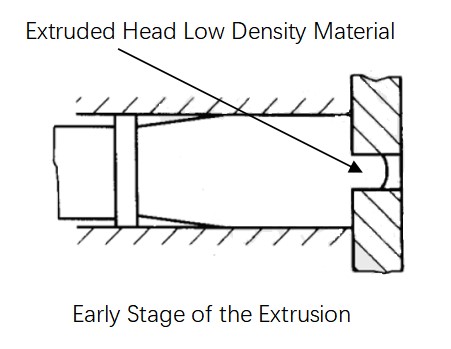
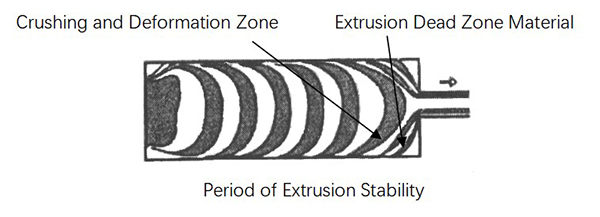
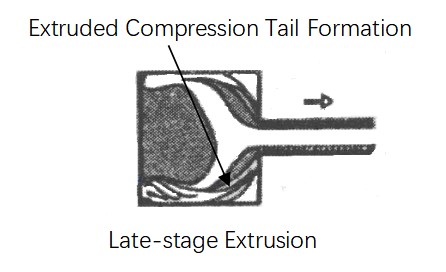
Studies show that the semi-continuous extrusion process can use over 95% of the material. In contrast, the traditional forward extrusion process only uses about 90%.
This means that significantly less silver-containing material is discarded during production. As a result, overall processing costs are effectively reduced. Specifically, the process improvements are in the following areas:
Please fill out the form below. Our sales team is ready to assist you with any questions or inquiries.