Posted on 12/10/2024 by Fudar Offical | Views: 1309
Silver-based contact materials, such as silver alloy wires, are widely used in low-voltage appliances. They are commonly found in circuit breakers, relays, and other key components due to their superior electrical conductivity and corrosion resistance. The selection of the extrusion process is critical during production. Optimizing this process is key to enhancing the performance of the contact material.
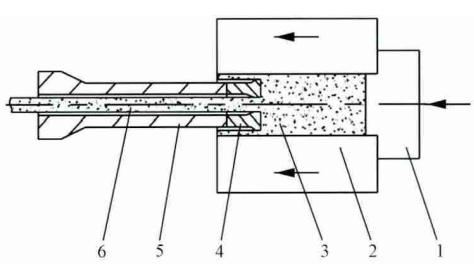
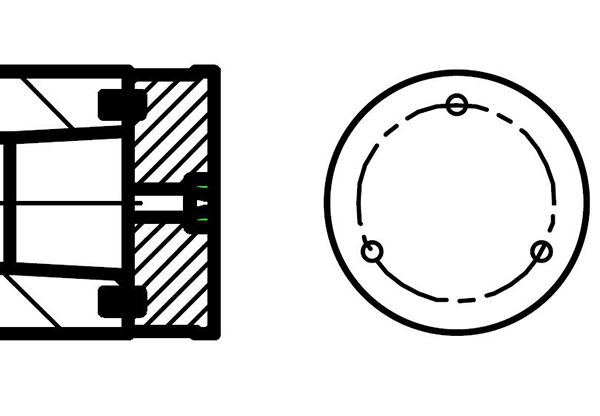
Peeling extrusion technology uses a specially designed mold to ensure process consistency. The connection between the extrusion mold and reverse extrusion rod employs a positioning pin method. Additionally, a special plug ruler is used to maintain consistent gaps between the extrusion mold and container. This setup ensures that the centers of both the container and extrusion mold align along the same centerline.
This design allows the residual material on the inner wall of the extrusion container to be retained and peeled off. As a result, it prevents the residual material from contaminating the finished product.
In the reverse peeling extrusion process, the outer diameter of the extrusion mold is 4-10mm smaller than the inner diameter of the extrusion container. During extrusion, the outer 2-5mm layer of the ingot material is retained on the inner wall of the extrusion container. This forms a "skin shell," which effectively isolates the residual material and prevents contamination of the finished product.
Compared to traditional forward extrusion, the flow zone in reverse extrusion is smaller. This smaller flow zone makes it easier to control the material quality.
The study was conducted using a 1100-ton reverse extruder. AgNi10 material, prepared by the powder mixing process, was used in the tests. The effect of different mold sizes on the extrusion outcome was also evaluated.
Twenty tests were conducted for each mold. The extrusion process remained constant throughout the tests (extrusion temperature, extrusion speed, etc.). After each extrusion, the head and tail materials were removed.
The appearance of the extruded products was then compared, focusing on blistering, tissue inclusions, and peeling of the skin shells. The comparison results are shown in Table 1 below.
After cutting off the head and tail and removing products with serious blistering and inclusions on the surface, the weight of the qualified products was measured. The yield was then calculated. The comparison of the yield is shown in Table 2 below.
| Extrusion Mold | Skin Shell Integrity | Blistering | Inclusion |
| 110mm | No | 18%Blistering | 22% |
| 107mm | Incomplete | 15%Blistering | 20% |
| 105mm | 50%Incomplete | 5%Blistering | 10% |
| 103mm | Integrity | No | No |
| 100mm | Integrity | No | No |
| Inside Diameter of Container | 110mm | 107mm | 105mm | 103mm | 100mm |
| Yield Rate | 85% | 84% | 84% | 83% | 78% |
Peeling extrusion technology offers an effective solution to the defects commonly found in conventional extrusion processes. It achieves this by optimizing the design of the extrusion mold and refining the control of process parameters.
This technology improves the production of silver-based contact materials. It is used for many types of silver-based materials. This is especially true for high-end electrical equipment. These include high-performance circuit breakers and relays that need high quality.
In the future, as technology continues to advance, the peeling extrusion process is expected to play an increasingly important role. It will not only enhance the overall quality of electrical contact materials but also drive further development within the industry. If you have any questions about peeling extrusion technology, please feel free to contact us.
Please fill out the form below. Our sales team is ready to assist you with any questions or inquiries.