The program was more than a technology briefing. It served as a practical step in advancing "new quality productive forces" by connecting policy direction, academic insights, and real industrial needs. Through this initiative, Fuda explored how AI can support manufacturing transformation, strengthen government–industry–academia collaboration, and promote the deeper integration of AI with industrial applications.
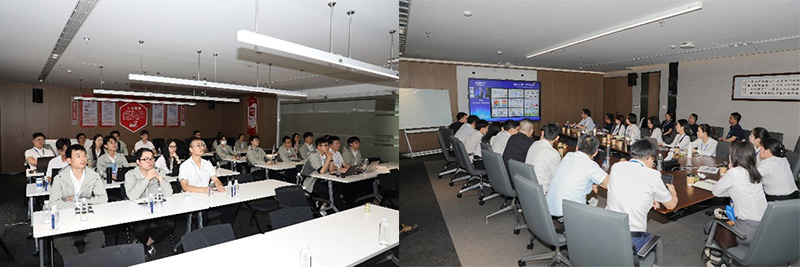
Main Venue
The training featured a special lecture by Professor Chen Jiang from the School of Electronics Engineering and Computer Science, Peking University. Professor Chen Jiang holds a Bachelor of Science degree and a Doctor of Engineering degree from Peking University. With extensive experience in technology application, innovation practice, and interdisciplinary research, he delivered a session that combined theoretical depth with practical insights.
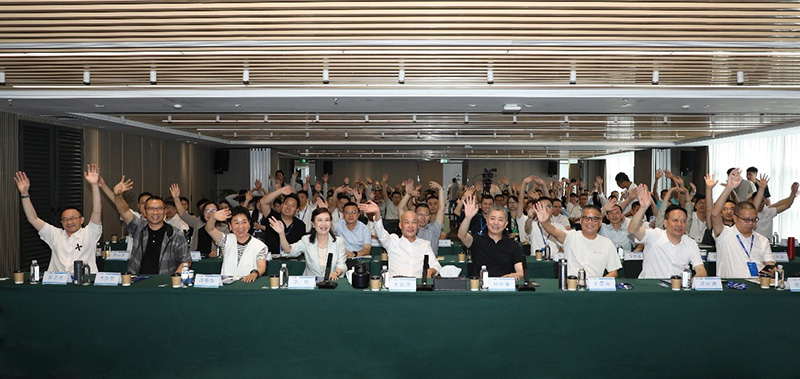
More than 200 participants attended the event, including representatives from local government departments, industry organizations, and leading enterprises across manufacturing, technology, pharmaceuticals, food, electronics, and other sectors. A satellite venue with a simultaneous livestream was also set up, allowing more employees and industry partners to participate remotely.
Satellite Venue
Embracing AI for Smart Transformation
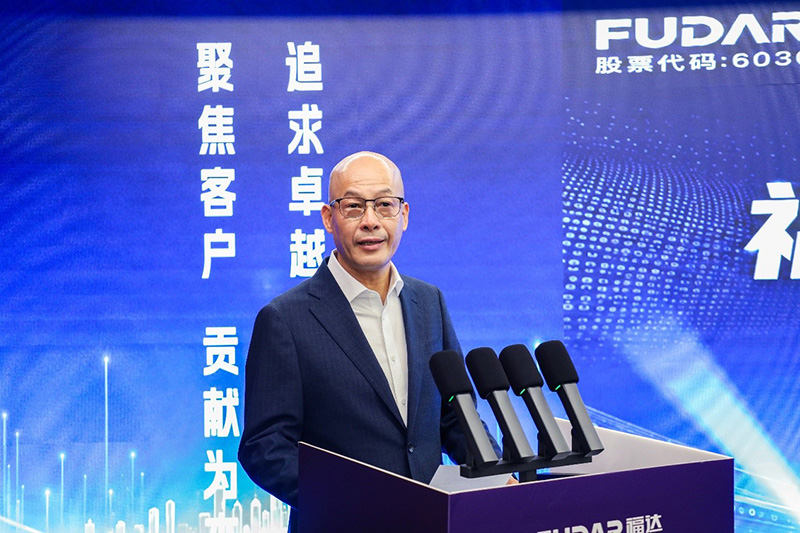
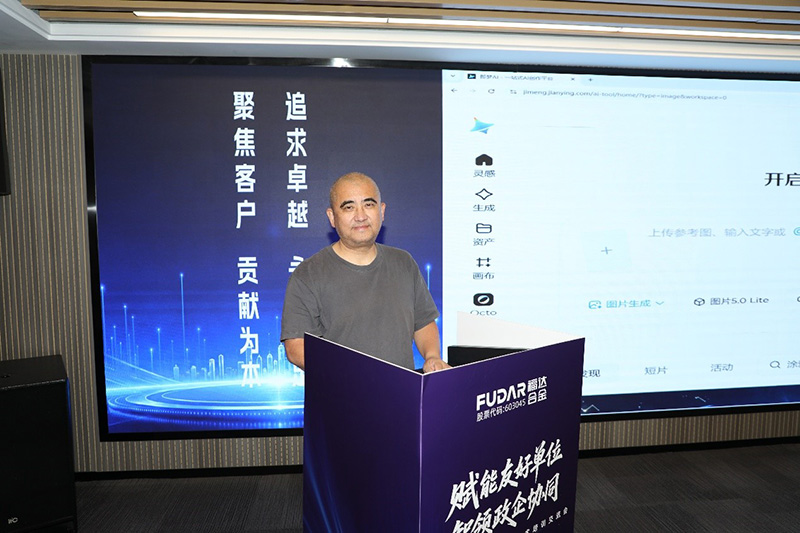
At the opening of the training, Wang Dawu, Chairman and President of Fuda Advanced Materials Group, delivered a speech.
Wang Dawu recalled that in April this year, he led a delegation of more than 100 leaders from Wenzhou business associations and chambers of commerce to Peking University for a study program. During that visit, Professor Chen Jiang's AI course left a strong impression on the participants with its practical content and forward-looking perspectives. To bring these insights to more local government and business representatives, Fuda invited Professor Chen to Wenzhou to deliver the training.
Chairman Wang Dawu Delivers a Speech
Wang Dawu emphasized that the era of relying solely on boldness and extensive growth has passed. As AI and digital technologies continue to reshape traditional industries and public services, proactively embracing change and making effective use of intelligent tools have become essential for long-term, sustainable development.
He encouraged participants to approach the AI era with new perspectives, new skills, and new collaboration. Digital and intelligent transformation, he noted, is no longer optional for enterprises and government organizations. AI is not an abstract concept, but a practical tool that can support daily work, simplify processes, solve problems, and create value.
Wang Dawu also highlighted the importance of collaboration. Individual learning can support team development, enterprise collaboration can drive industry progress, and government-enterprise cooperation can promote industrial upgrading. Through closer exchange and shared exploration, all parties can work together to identify new paths and models for the digital and intelligent transformation of Wenzhou's manufacturing sector.
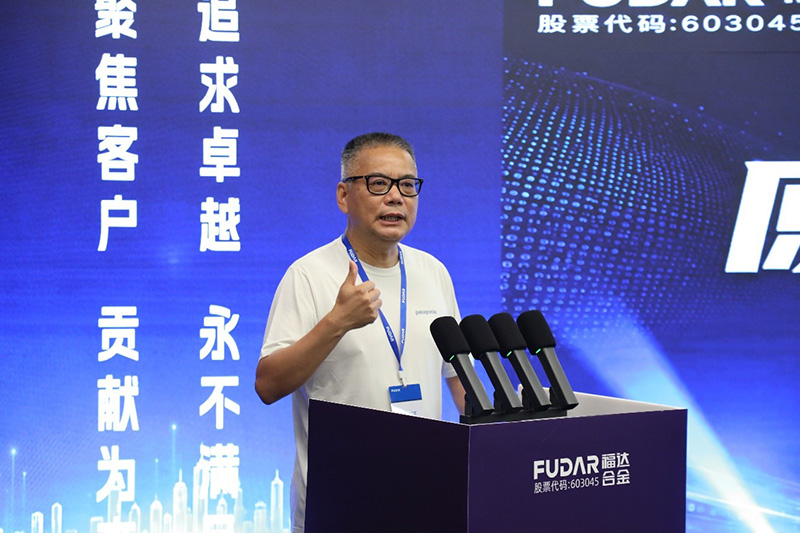
Li Xingtao, Chairman of Yuanye Group, also delivered a speech. He expressed appreciation for Fuda's efforts to build an industry exchange platform and promote shared learning among industry peers. He also looked forward to deeper cooperation between the two sides in talent development and smart transformation.
Chairman Li Xingtao Delivers a Speech
Practical AI Skills for the Workplace
During the training, Professor Chen Jiang delivered a comprehensive session titled "Practical AI Skills for the Workplace".
Starting from the fundamentals of AI, Professor Chen Jiang outlined the development of the technology from neuron models to the emergence of AI agents. Drawing on real-world examples from intelligent manufacturing, human resources, and other fields, he explained how AI is being applied in industry and where the technology is heading.
The session helped participants move beyond fragmented knowledge and build a more systematic understanding of AI.
Lecture by Professor Chen Jiang
Building on this foundation, the training moved into hands-on demonstrations focused on common workplace scenarios. Professor Chen Jiang demonstrated the use of several popular AI tools for presentation generation, speech-to-text transcription, text-to-image creation, and other practical applications. He also shared advanced techniques and highlighted potential risks and compliance considerations that should be noted when using AI tools.
The session encouraged active discussion and interaction. Participants raised questions based on challenges in their own work, and Professor Chen Jiang provided detailed answers. Many participants said the training was practical, relevant to real work scenarios, and immediately applicable.
Strengthening Exchange Through On-Site Visits
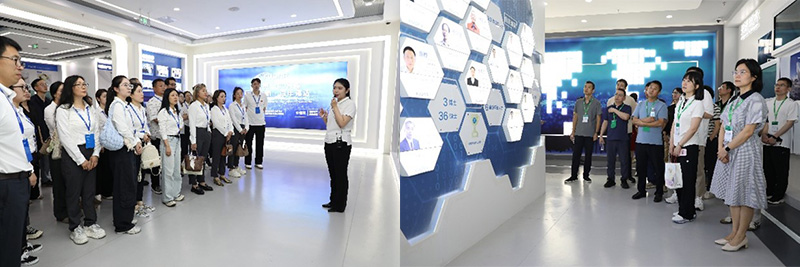
During the lunch break, participants visited the Fuda Alloy Exhibition Hall in groups.
Participants Visit the Fuda Exhibition Hall
Through the guided tour, they learned more about Fuda Advanced Materials Group's development history, core technological achievements, and global industrial presence. The visit also gave participants a deeper understanding of Fuda's mission, "Small Materials Change the Big World".
At the same time, the exhibition offered a firsthand view of Fuda's digital and intelligent initiatives in the advanced materials field, further strengthening exchange among government representatives, enterprises, and industry partners.
Building Capabilities and Promoting Collaboration
The training delivered meaningful results in both internal capability building and ecosystem collaboration.
Internally, it helped enhance the innovation management capabilities and AI application skills of key teams, bringing new momentum to technical problem-solving and product development. Externally, the hybrid online-offline format created a platform for government–industry–academia exchange, promoted the sharing of industry resources, and helped build broader consensus on industrial development.
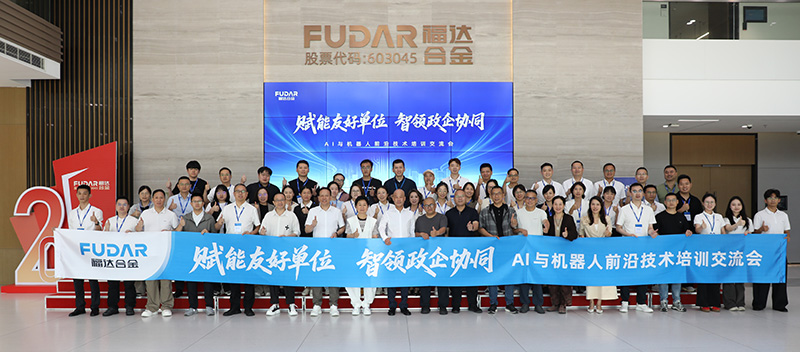
Group Photo of Participants
Looking ahead, Fuda Advanced Materials Group will continue to focus on key areas such as intellectual property, innovation management, compliance, and risk control, while further developing its training and empowerment system to support talent development and knowledge growth.
The Group will also continue to build platforms for government–industry–academia exchange, working with industry partners to share resources, pursue shared development, and jointly explore new paths for the digital and intelligent transformation of Wenzhou's manufacturing sector.